


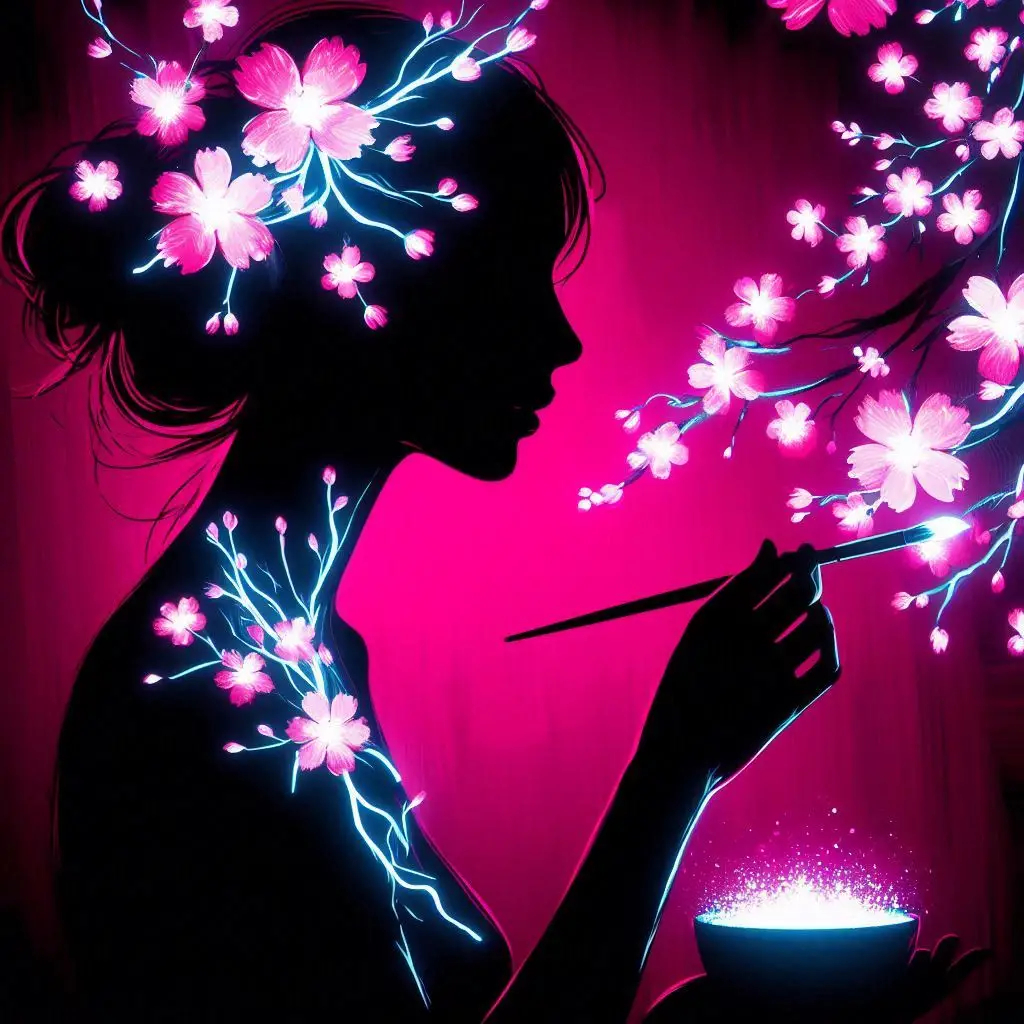
Intuition fosters unconscious connections, stimulating innovation and creative strength.
It promotes creativity by enabling access to ideas and perspectives that often elude logical and rational thinking.
Here’s how it works:
Source of Spontaneous Inspiration
Intuition acts like a spark that triggers new ideas without requiring conscious reasoning. It allows for unexpected associations between seemingly distant concepts, a mechanism essential to creativity.
For example, an artist might suddenly “feel” that a color or shape is perfect for their work, without being able to explain it immediately.
Access to the Unconscious
Intuition draws from a reservoir of unconsciously accumulated knowledge and experiences. This process can reveal solutions or creative approaches that aren’t obvious through deliberate analysis.
Studies suggest that intuition often results from unconscious information processing, providing valuable insights for creation.
Fluidity and Freedom
By relying on intuition, one breaks free from the constraints of structured thinking. This free and bold exploration is crucial for generating original ideas.For instance, a writer might let intuition guide a storyline without a prior plan, resulting in an unexpected and innovative work.
Confidence in the Creative Process
Creators—artists, writers, innovators—frequently rely on intuition to guide their choices. This trust in their instincts allows them to explore unconventional paths and innovate.
A musician, for example, might improvise a melody by following an intuitive impulse, creating something unique.
In Summary
Intuition enriches creativity by offering a mode of thinking that complements logic, being more spontaneous and open to unexpected possibilities. It acts as a bridge between the unconscious and creative expression, fostering original and often surprising results.
Many great inventions and discoveries that challenged established knowledge were driven by intuition.